
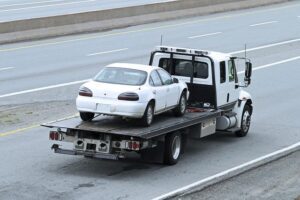
 Tow Truck Insurance: A Comprehensive Guide to Coverage Options and Requirements in the Trucking Industry
The trucking industry is a vital component of the global economy, responsible for the transportation of goods and materials across long distances. With such an important role, it is crucial for trucking companies to have proper insurance coverage in order to protect their assets and ensure the smooth operation of their business. One crucial aspect of this coverage is tow truck insurance, which provides protection against the unique risks and challenges faced by tow truck operators. In this comprehensive guide, we will delve into the various coverage options available for tow truck insurance and the specific requirements that trucking companies must meet in order to operate legally and effectively. From understanding the different types of coverage to navigating state and federal regulations, this article aims to provide a thorough overview of tow truck insurance and its importance in the ever-evolving trucking industry. Whether you are a new tow truck operator entering the field or a seasoned trucking company owner looking to update your coverage, this guide will serve as a valuable resource for ensuring you have the right insurance protection for your tow truck business.
Mandatory insurance requirements for tow trucks
Tow truck operators play a critical role in the transportation industry, assisting stranded vehicles and providing roadside assistance. Given the nature of their work, it is essential for tow truck operators to have the appropriate insurance coverage. Mandatory insurance requirements for tow trucks are in place to ensure that operators are adequately protected and that potential liabilities are mitigated. These requirements typically include liability insurance to cover damages caused to other vehicles or property during towing operations, as well as cargo insurance to protect the vehicles being towed. Additionally, tow truck operators may also be required to carry workers’ compensation insurance to provide coverage for their employees in case of any work-related injuries or accidents. By adhering to these mandatory insurance requirements, tow truck operators can operate with confidence, knowing that they are well-prepared for any unforeseen circumstances that may arise in their line of work.
Understanding liability and cargo coverage
Liability and cargo coverage are essential components of tow truck insurance that operators must carefully understand and consider. Liability coverage protects tow truck operators from potential financial losses resulting from damages or injuries caused to third parties during towing operations. It provides coverage for property damage, bodily injury, legal expenses, and any settlements or judgments that may arise. Understanding the specific liability limits and coverage options available is crucial in ensuring adequate protection for both the operator and their clients.
Cargo coverage, on the other hand, is designed to protect the vehicles being towed. It provides coverage for damages or losses that may occur to the vehicles while in transit. This includes protection against theft, collision damage, vandalism, and other perils. It is important for tow truck operators to carefully assess the value of the vehicles they transport and select cargo coverage that adequately reflects their potential liability.
By comprehending the nuances of liability and cargo coverage, tow truck operators can make informed decisions when selecting insurance policies to safeguard their operations. Working with an experienced insurance provider who specializes in tow truck insurance can provide valuable guidance and ensure that the coverage meets the unique needs and requirements of the towing industry.
Supplemental coverage options to consider
To enhance their level of protection, tow truck operators should also consider supplemental coverage options. One option is comprehensive coverage, which provides protection against non-collision incidents such as fire, theft, vandalism, or natural disasters. This coverage can be particularly valuable in safeguarding the tow truck itself from unexpected events that can result in costly repairs or replacements.
Another important supplemental coverage to consider is uninsured/underinsured motorist coverage. This coverage provides financial protection in the event that a tow truck operator is involved in an accident with a driver who either does not have insurance or has insufficient coverage to fully compensate for damages and injuries. With the high costs associated with accidents and medical expenses, this coverage can offer peace of mind and ensure that the operator is not left with significant financial burdens.
Additionally, tow truck operators may want to explore roadside assistance coverage. This coverage can provide valuable assistance in situations such as a breakdown, tire puncture, or running out of fuel. With the nature of their work, tow truck operators are often relied upon to provide help in emergency situations, and having roadside assistance coverage can ensure that they receive timely and reliable support when needed.
While liability and cargo coverage are essential components of tow truck insurance, considering these supplemental coverage options can further enhance the level of protection and provide added peace of mind for tow truck operators. It is crucial for operators to carefully assess their specific needs, consult with an insurance professional, and select the coverage options that best align with their business requirements.
Factors that affect insurance premiums
Factors that affect insurance premiums in the tow truck industry can vary depending on several key considerations. Firstly, the type of tow truck being insured plays a significant role in determining the premium amount. Factors such as the model, make, and year of the truck, as well as its condition and value, are taken into account by insurance providers.
Another factor that affects insurance premiums is the driver’s experience and driving record. Insurance companies typically consider the operator’s age, years of experience, and any previous accidents or traffic violations when calculating the premium. A clean driving record with no history of accidents or tickets is likely to result in a lower premium, as it demonstrates a lower risk level.
The location where the tow truck operates also affects insurance premiums. Areas with higher traffic congestion or a history of accidents may have higher premiums due to the increased risk of collisions or damage to the tow truck.
Insurance providers also consider the coverage limits and deductibles selected by the tow truck operator. Higher coverage limits and lower deductibles generally result in higher premiums, as they indicate a greater potential financial risk for the insurer.
Lastly, the amount of annual mileage and how the tow truck is used can impact insurance premiums. Towing vehicles long distances or operating during peak hours may result in higher premiums, as it increases the likelihood of accidents or breakdowns.
By understanding the various factors that affect insurance premiums in the tow truck industry, tow truck operators can make informed decisions when selecting coverage options and effectively manage their insurance costs.
Choosing the right insurance provider
When it comes to choosing the right insurance provider for your tow truck business, there are several factors to consider. First and foremost, it is important to assess the provider’s experience and reputation in the industry. Look for insurance companies that specialize in commercial trucking insurance and have a track record of serving tow truck operators effectively. Additionally, consider the range of coverage options offered by the provider. Ensure that the policy meets your specific needs and provides adequate protection for your tow truck and any liabilities that may arise. It is also advisable to evaluate the provider’s customer service and claims handling process. A responsive and efficient insurance company can make a significant difference in the event of an accident or claim. Lastly, take the time to compare quotes from multiple insurance providers to ensure you are getting the best coverage at a competitive price. Remember that making an informed decision about your insurance provider can provide peace of mind and financial security for your tow truck business.
As we conclude this guide to tow truck insurance, it is important to remember that every business and trucking operation is unique. Therefore, it is crucial to thoroughly assess and understand the specific coverage needs and requirements for your tow truck business. By working with a knowledgeable and reputable insurance provider, you can ensure that your business is adequately protected for any potential risks and liabilities that may arise. With the right coverage in place, you can have peace of mind knowing that your business and livelihood are secure. So, take the time to review your insurance options and make the best decision for your tow truck business.